
T-Sens Motion (IMU)
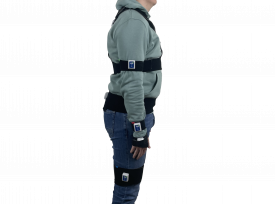
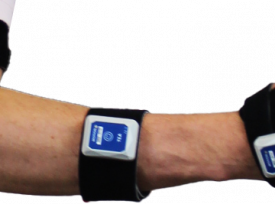
Wireless sensors with easy and unobtrusive fixation system with 2 sensors measure one angle/joint,15 sensors maximum for full body, any intermediary configuration available
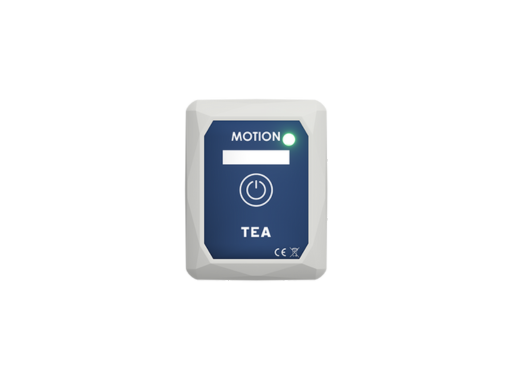
Wireless inertial measurement unit (IMU) designed to capture body movements and postures in 3D. Ideal for motion analysis, ergonomic assessment, and validation of workstations or virtual reality simulations.


Specifications
Dimensions
45 mm x 35 mm x 20 mm
Weight
30 g
Sampling frequency
32 Hz to 128 Hz
Yaw, Pitch, Roll accuracy
2° 0.5° 0.5
Gyroscope – measurement range
2000 dps
Accelerometer – measurement range
16 g
Magnetometer – measurement range
4 Gauss
Real-time recording
YES – range 10 m
Internal memory recording
YES
Battery life
6 h typical
Charging time
3 h typical
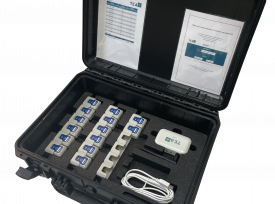
Requires a T-Rec, a charging dock, and a CAPTIV L7000 or ErgoLife or T-Server or T-Log
Typical applications
- Posture and joint-angle analysis in real working conditions
- Postural risk evaluation using OCRA, RULA, NIOSH , EAWS or REBA methods
- Validation of assistive devices (exoskeletons, tools, workstations) …
Intended users
- Ergonomists, method engineers,
- biomechanics researchers,
- HSE and performance managers…
Related Products
For every application, even the most complex industrial environments, with a physiological, video and VR multi-sensor synchronization.


Observation and activity analysis software – Chronicle of activities, behavioral analysis, work cycle, etc.

Activity Analysis, the new module that will enable you to obtain all your activity logs automatically by AI.

CAPTIV Score integrates the methods OCRA, RULA and NIOSH to objectify ergonomic assessment.

Observation and activity analysis software – Chronicle of activities, behavioral analysis, work cycle, etc.
Specifications and other information are subject to change without notice. All brand and product names are trademarks or registered trademarks of their respective holders. The information on this webpage is provided by the respective named manufacturer and is for general information purposes. These data constitute a concrete indication of properties and condition only if they are expressly indicated by EST or have been agreed upon as a condition in writing.