
Developer Tools
Plugins that receive Motive data.
Camera SDK
Full control, 2D data, sync, and vector tracking — the tools you need to build applications.
NatNet SDK
Integrate OptiTrack data into apps, plugins, or engines for smooth, real-time streaming use.
Batch programmer
Advanced utility to reprogram and configure OptiTrack Active hardware beyond factory setup.
Camera SDK
The Camera SDK is a free development package that enables users to control and capture from OptiTrack cameras in order to create custom tracking and vision applications.
The SDK includes full camera control, access to 2D object data, camera synchronization, and comprehensive vector tracking—a complete assortment of tools to create cost-effective, powerful applications from scratch or integrate with existing software.
Advanced SDK Features
Simple C++ Integration
Offers a modern C++ interface for seamless integration into your application workflows.
Detailed 2D Object Data
Retrieve up to 1000+ objects per frame with position, size, roundness, and lens distortion correction.
Multi-Camera Sync
Capture images multiple cameras simultaneously for fully synchronized frame collection with up to hundreds of cameras.
Full Camera Control
Adjust video modes, exposure, gain, LEDs, and image windowing for complete control of each camera.
Sample Applications
Explore example applications that provide examples for typical camera workflows.
Multiple Operating Systems
Run OptiTrack cameras on Windows, Ubuntu, and Fedora operating systems with simple to use examples.
NatNet SDK
NatNet’s client/server architecture allows client applications to run on the same system as the tracking software (Motive), on separate system(s), or both. The SDK integrates seamlessly with standard APIs (C/C++/.NET), tools (Microsoft Visual Studio) and protocols (UDP/Unicast/Multicast).
SDK Contents
NatNet Library
Native C++ networking library [headers, static library (.lib) and dynamic import library (.lib/.dll)]
NatNet Assembly
Managed .NET assembly (NatNetML.dll) for use in .NET compatible clients.
NatNet Samples
Sample projects and executables designed to be quickly integrated into your own code.
MatNet interface to MATLAB
.NET interface and sample program (MatNet.m) for live streaming markers, rigid bodies, or skeletons. The MatNet sample program works directly with MATLAB core, requiring no additional MATLAB modules.
API Structure
NatNetClient
A class for communicating with a NatNet Server (Motive)
NatNet Data Types
Structures encapsulating data encoded in NatNet packets.
NatNet Assembly
A managed (.NET) class library that can be called by .NET components. The NatNet assembly wraps the underlying native NatNet library, exposing the NatNetClient and NatNet Data Types for use in .NET compatible environments (e.g. VB.NET, C#, MatLab).
Data Types
Marker Set Data
A named collection of identified markers and their positions (X,Y,Z)
Rigid Body Data
A named segment with a unique ID, position, and orientation data, and the collection of identified markers used to define it.
Skeleton Data
A named, hierarchical collection of rigid bodies.
Force Plate Data
Rebroadcast force and moment data.
Device Data
Rebroadcast data from analog devices such as DAQ devices.
Related Products
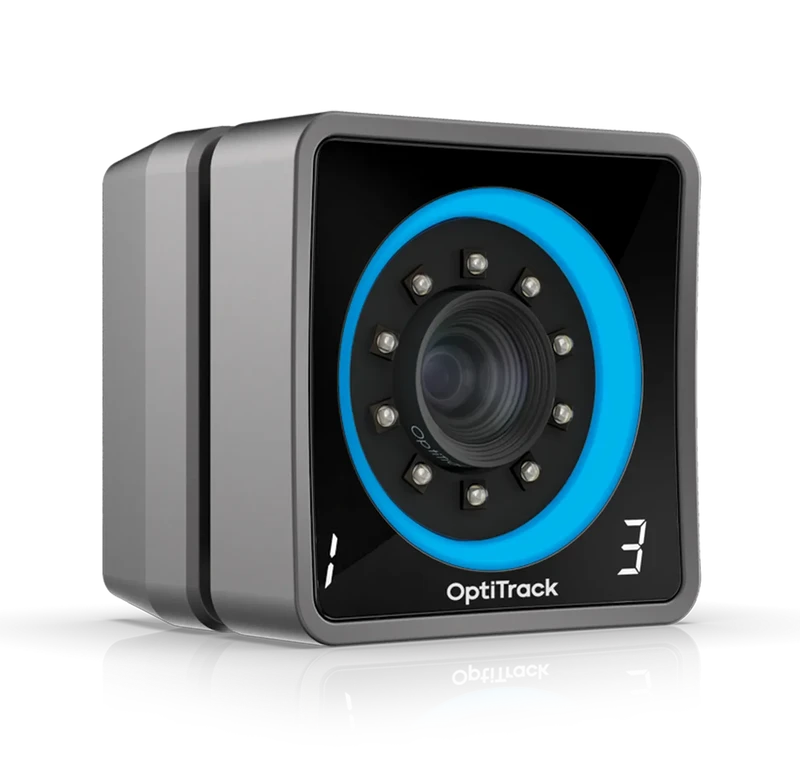
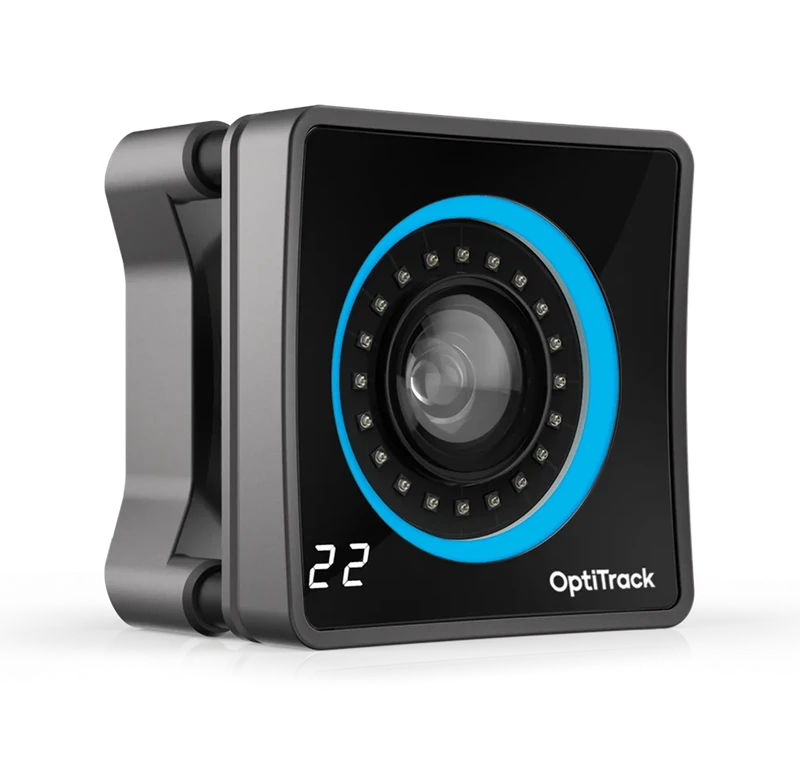
The perfect blend of range, speed, and FOV. Edge-to-edge coverage while delivering stunning camera-to-marker range and 3D accuracy.
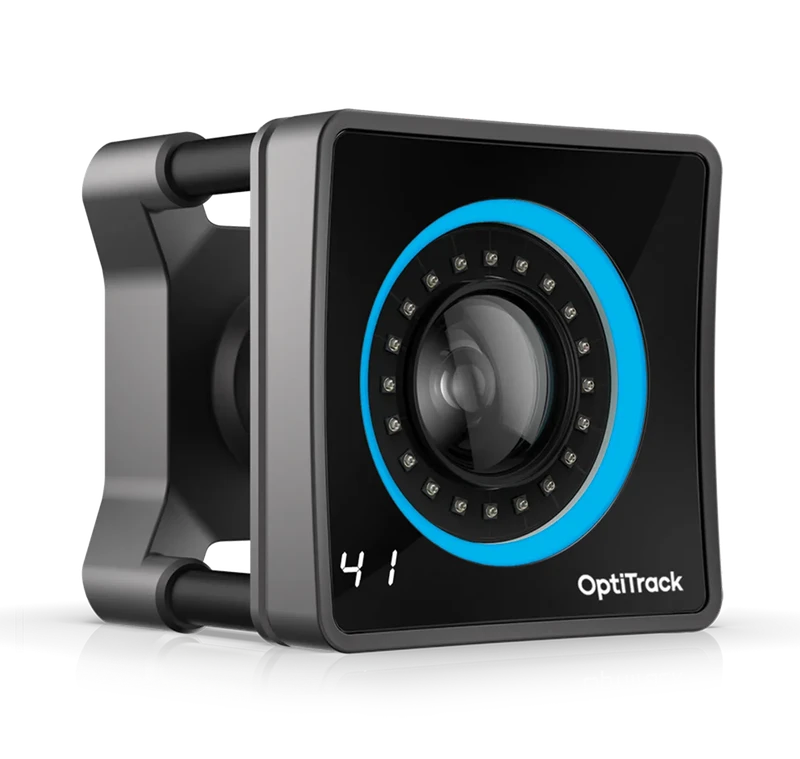
Range and precision. The most precise large scale 3D measurement system in the world was built with Prime technology. Primex
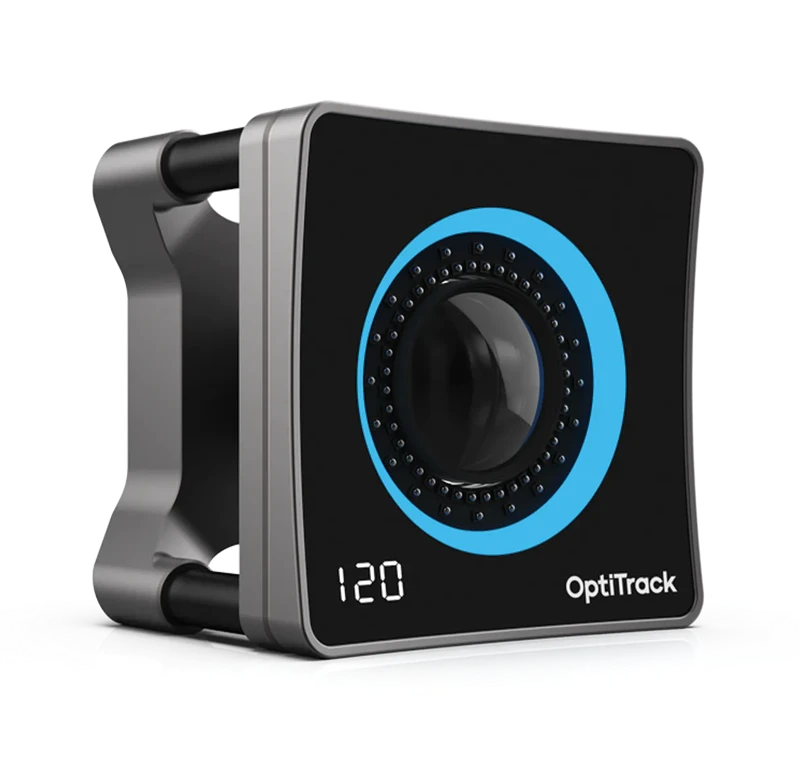
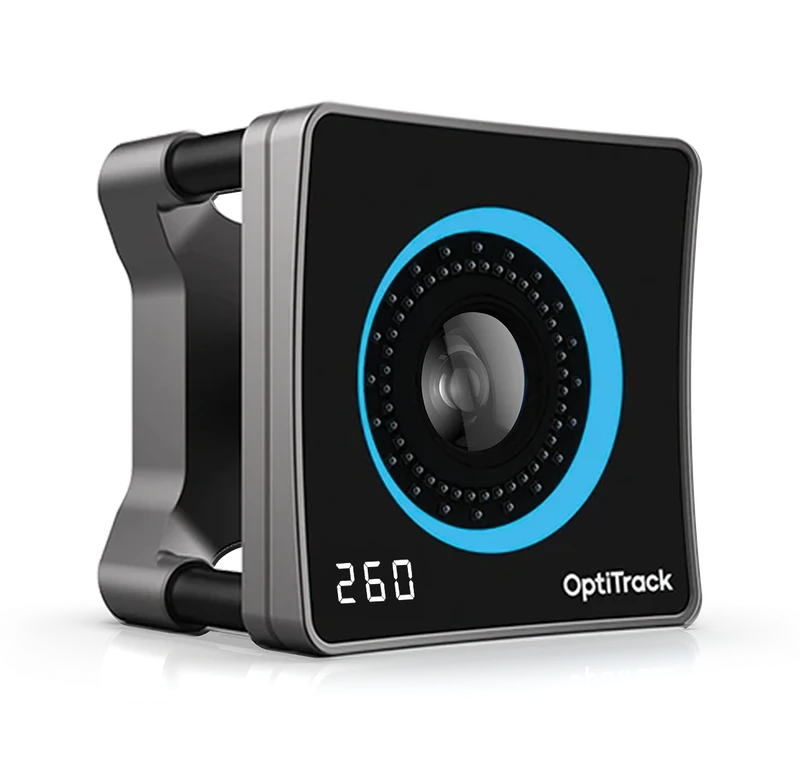
The new Primex 260 delivers 50-micron 3D accuracy—our tightest spec ever—paired with our highest resolution sensor and OptiTrack’s industry-leading range.
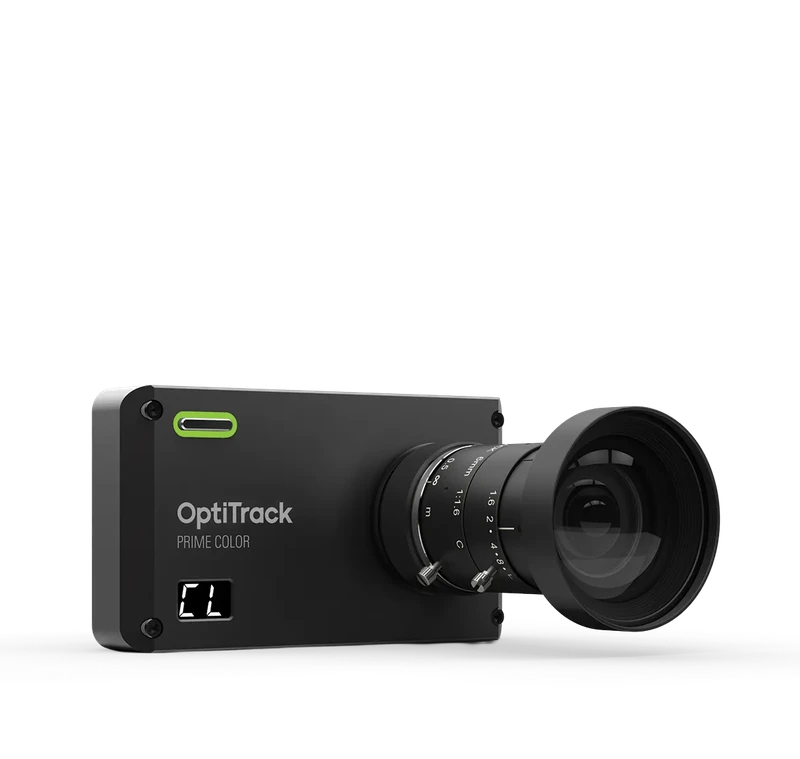
Data compression is handled on board the Prime Color, rather than on the PC—simultaneously lowering latency and improving video quality.
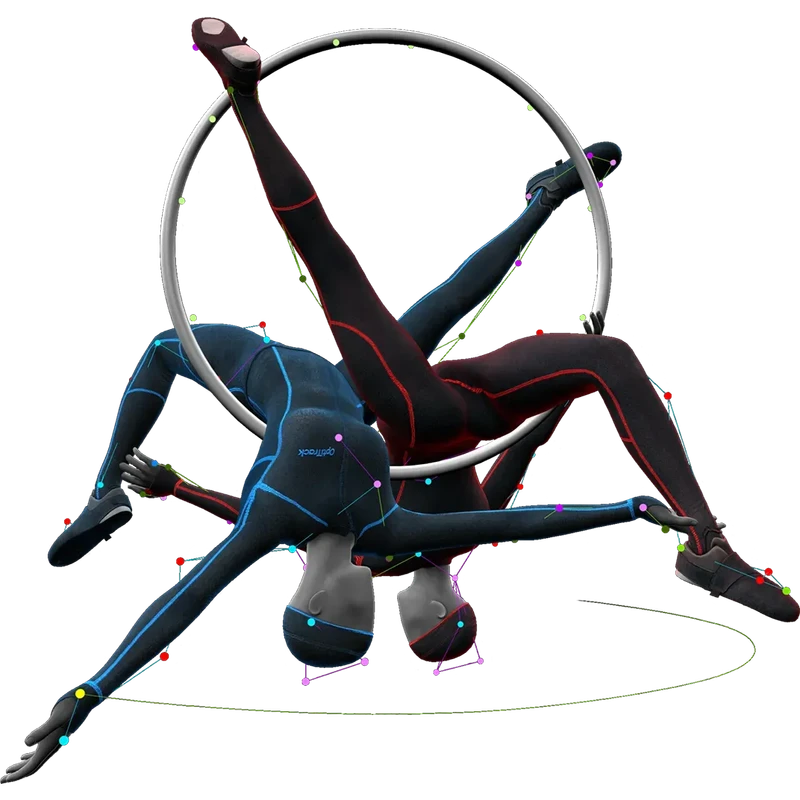
Visualize, and edit motion data with unmatched precision in the world’s most advanced motion capture software.
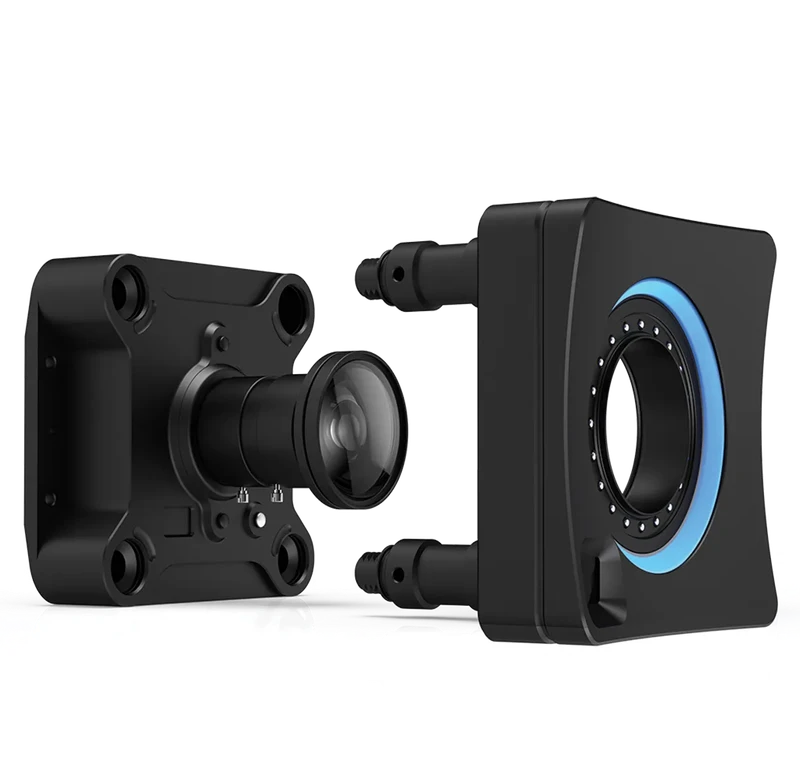
Built tough with an IP66 rating and versatile mounting options, making it perfect for any environment from the manufacturing floor
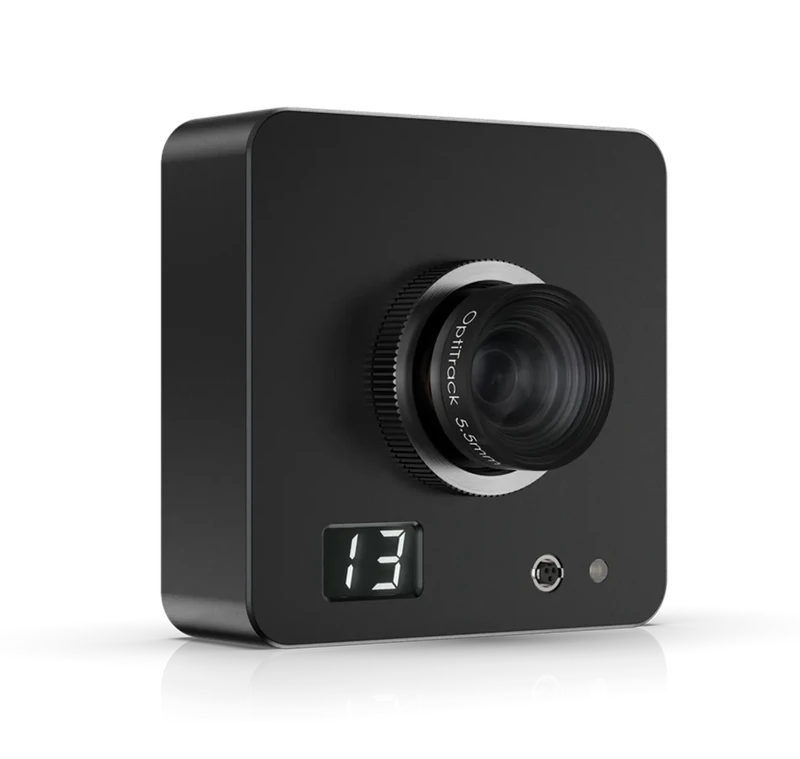
The Slimx 13’s 2.7″ square signature, 12 ounce weight and invisible 850nm IR illumination are perfect for applications which require
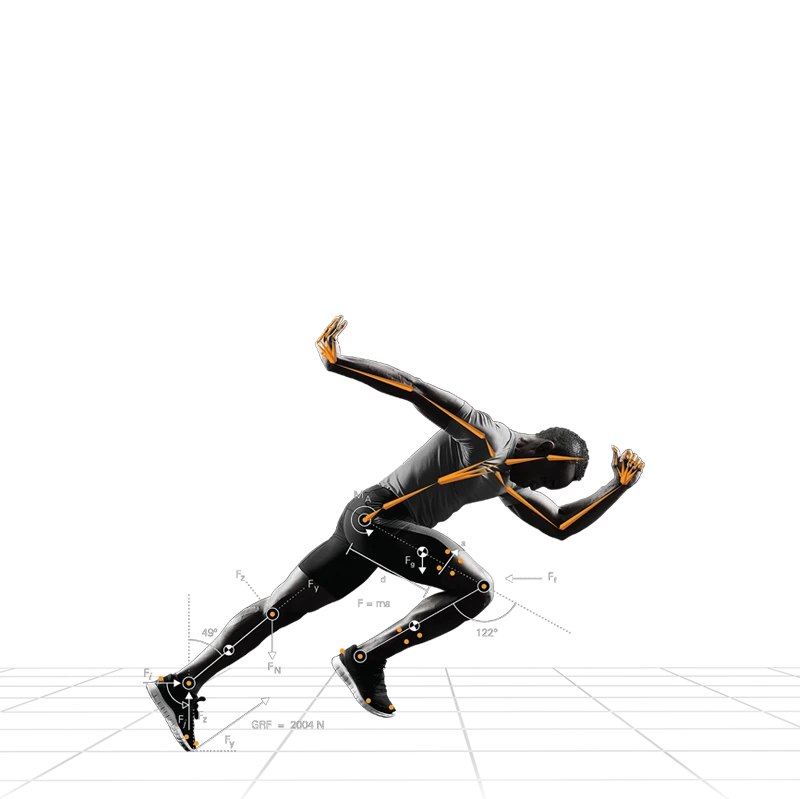
A breakthrough, patent-pending feature that unifies marker-based precision and markerless freedom in real time.
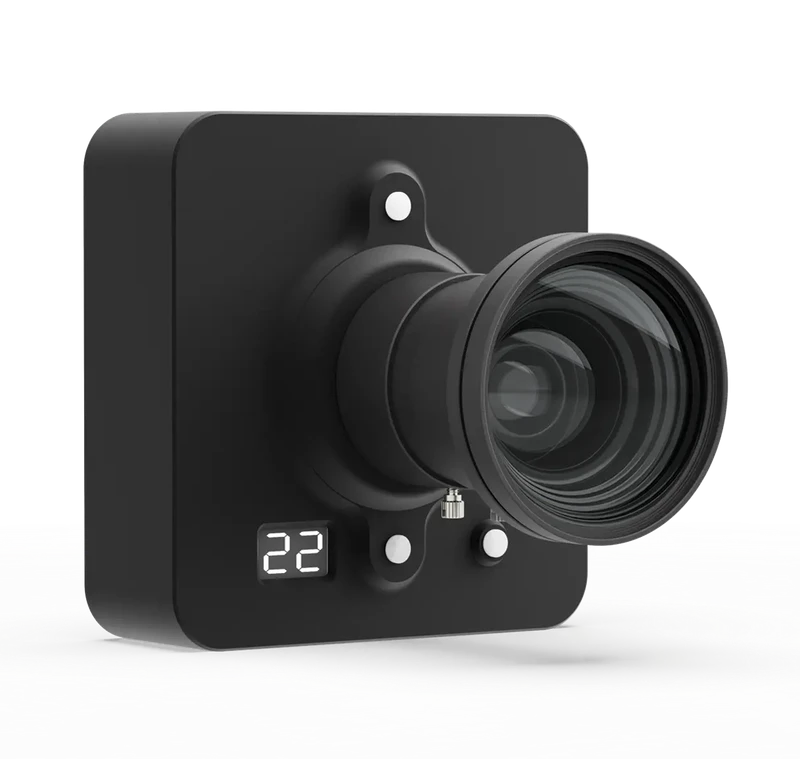
Precision active tracking with a wide field of view, designed for discreet installations and expansive capture areas.
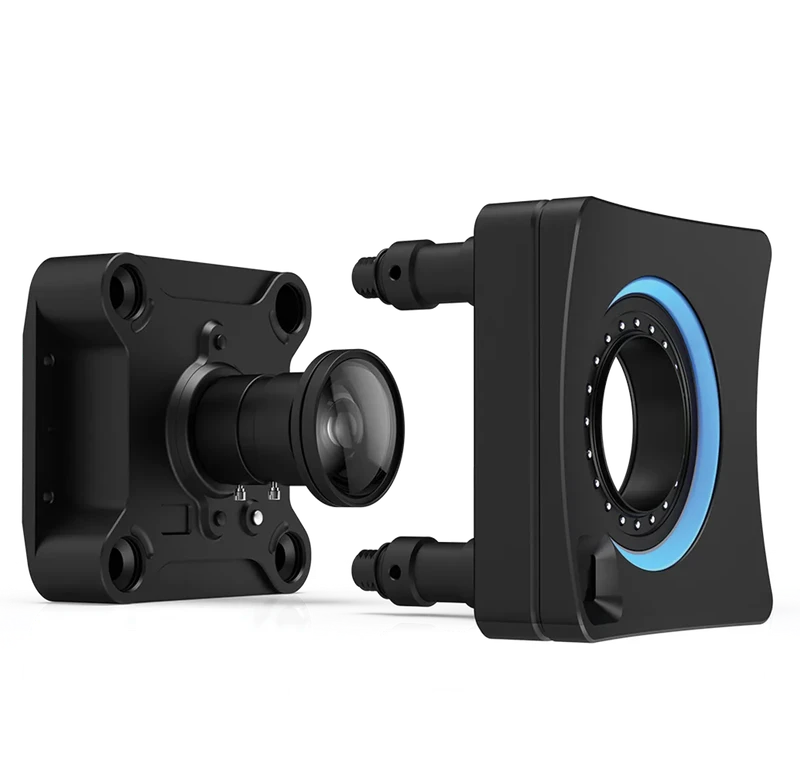
Built tough with an IP66 rating and versatile mounting options, making it perfect for any environment from the manufacturing floor
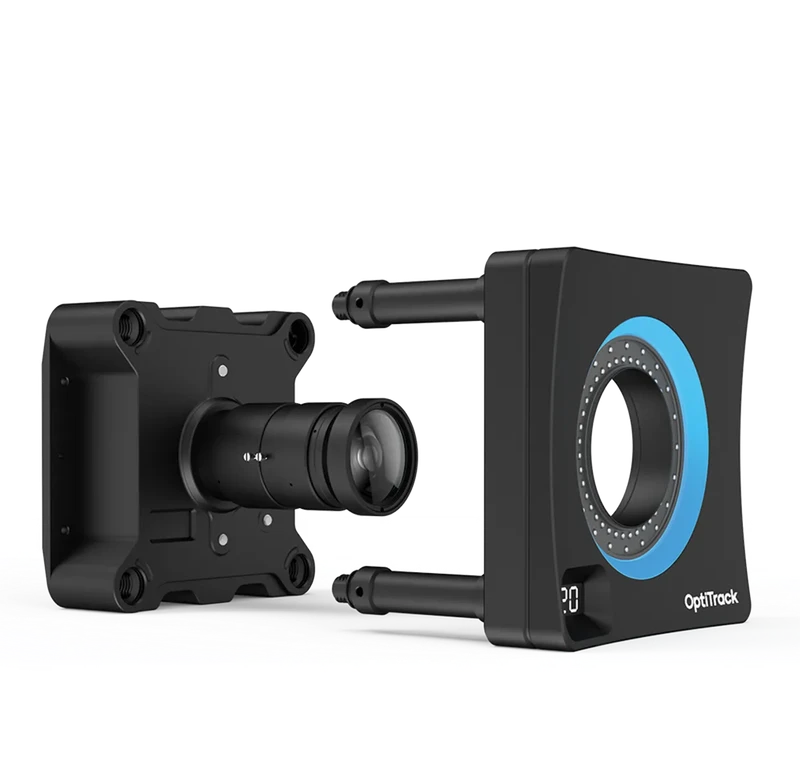
Built tough with an IP66 rating and versatile mounting options, making it perfect for any environment from the manufacturing floor
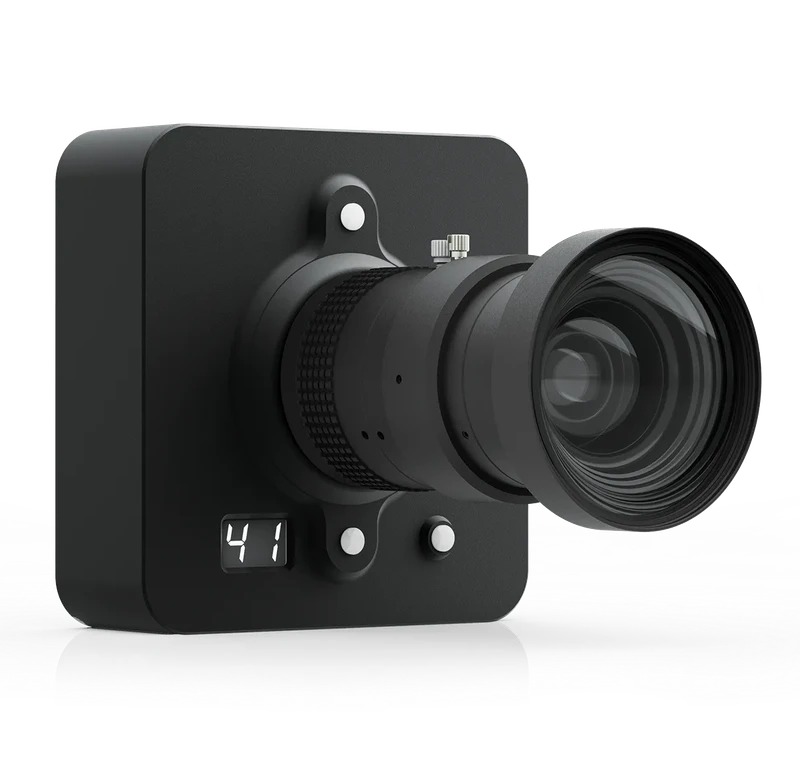
Precision active tracking with a wide field of view, designed for discreet installations and expansive capture areas.

Real-time interface for streaming 6DoF Rigid Body and/or skeleton data to various streaming destinations.
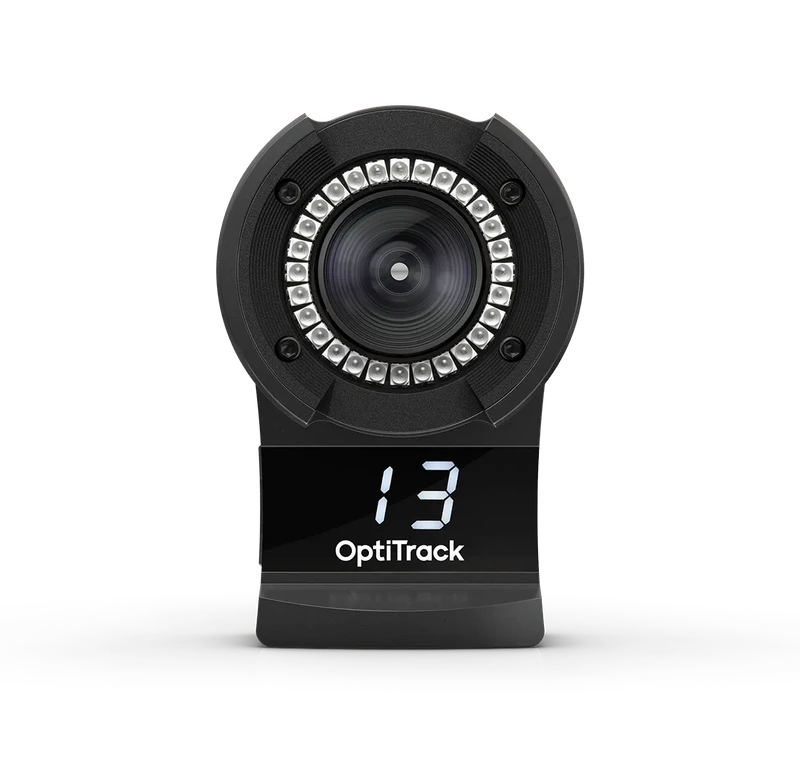
Enjoy the precision and accuracy of a professional capture system at a price tuned for AAA and indie studios alike.
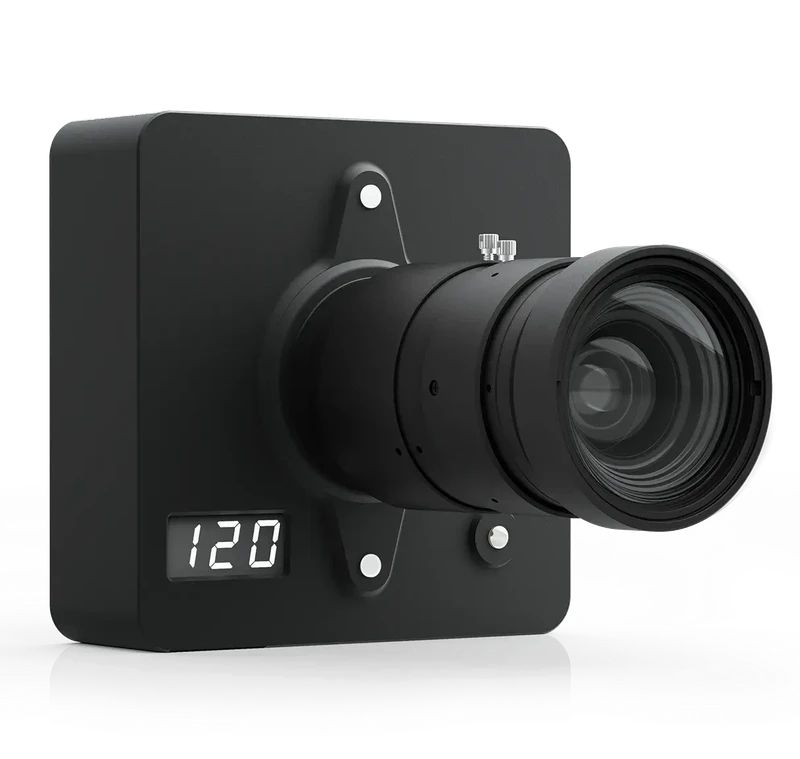
When your application requires class-leading 3D motion precision in a very large volume, nothing compares with the performance of the
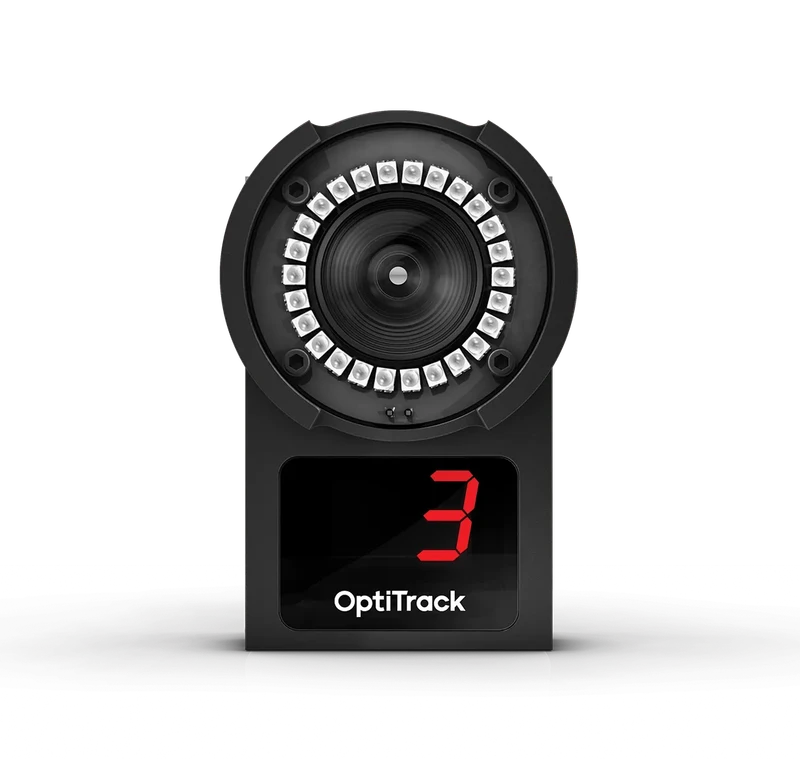
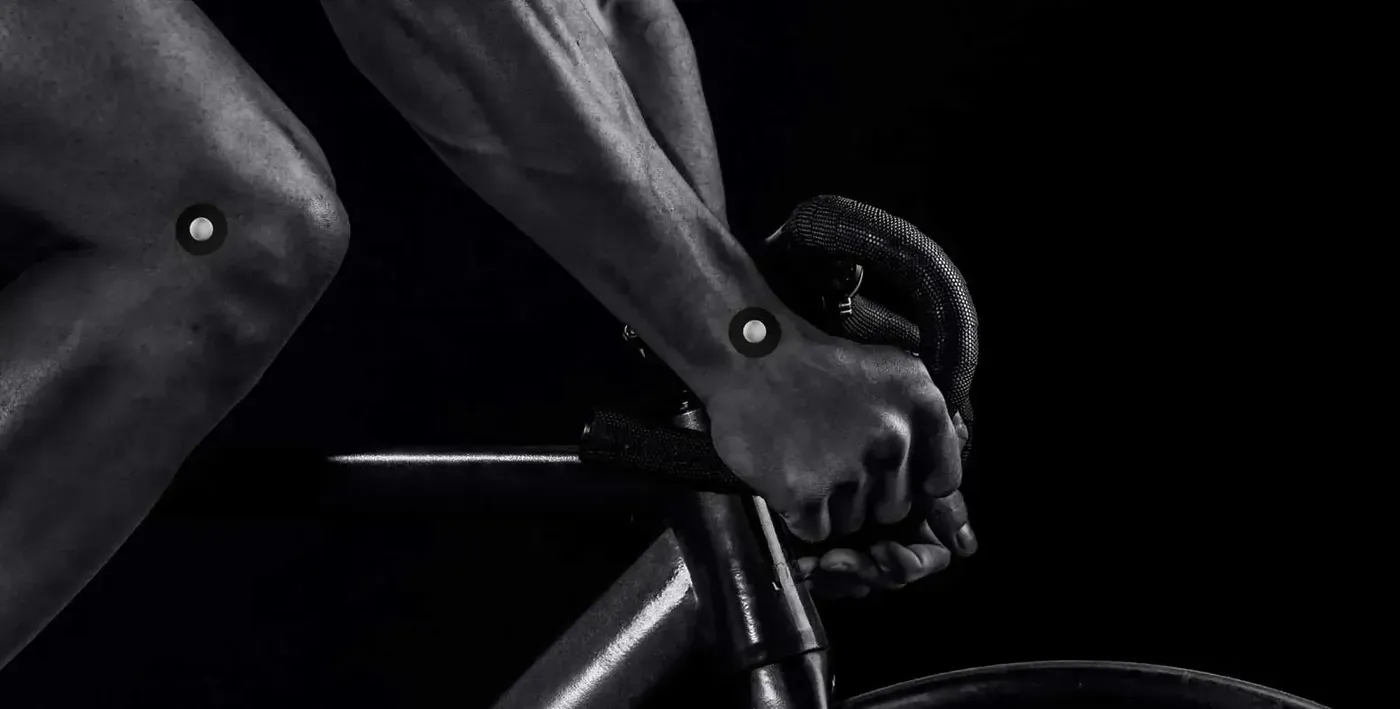
InSight is a real-time 3D human motion analysis solution, developed with STT Systems for marker tracking, data collection, and analysis.
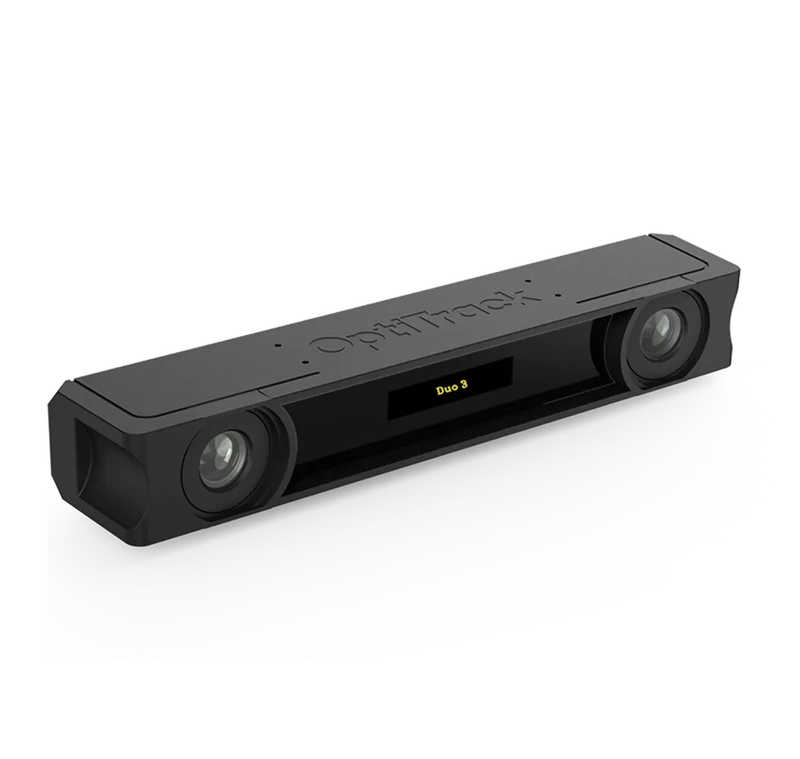
6DoF optical tracking with multiple cameras and capture software in a single plug-and-play package
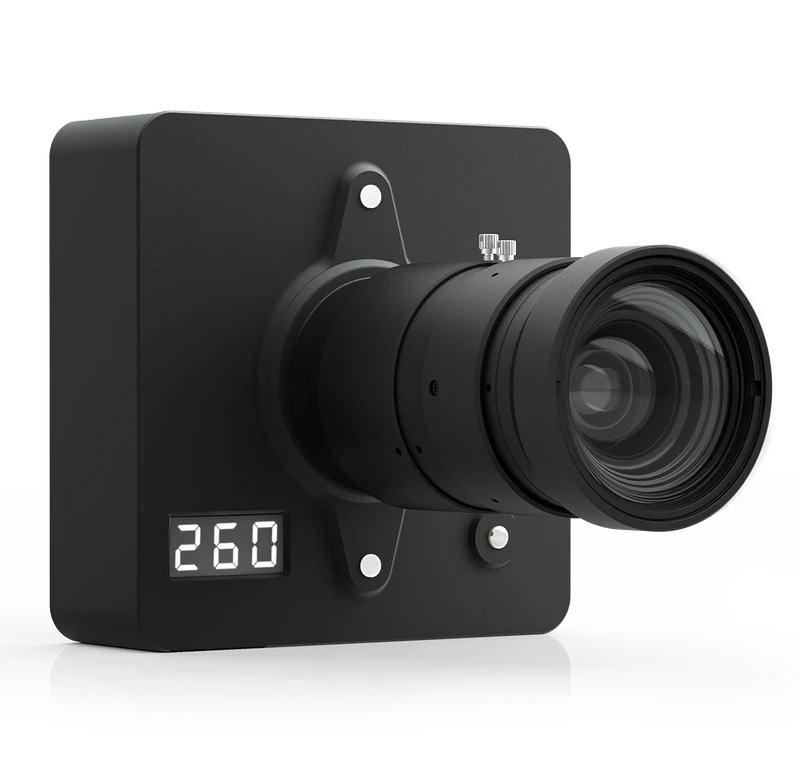
Flagship Active Tracking with sub 50-micron 3D accuracy. Maximum Range. 26 Megapixel Sensor.
Precision Spheres with 3M 7610 Reflective Tape, injection molded bases, adhesives and other accessories
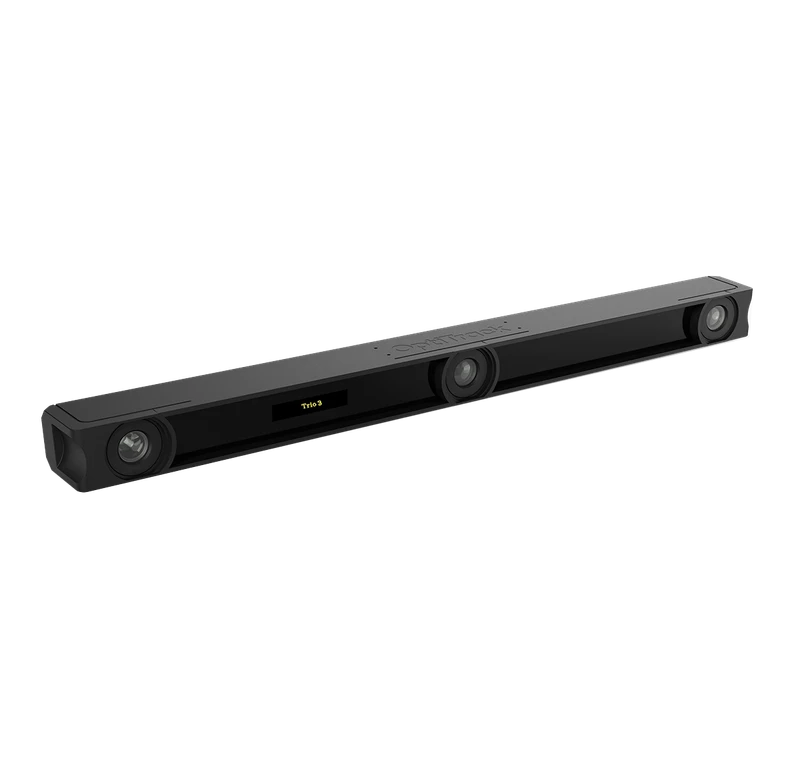
6DoF optical tracking with multiple cameras and capture software in a single plug-and-play package.
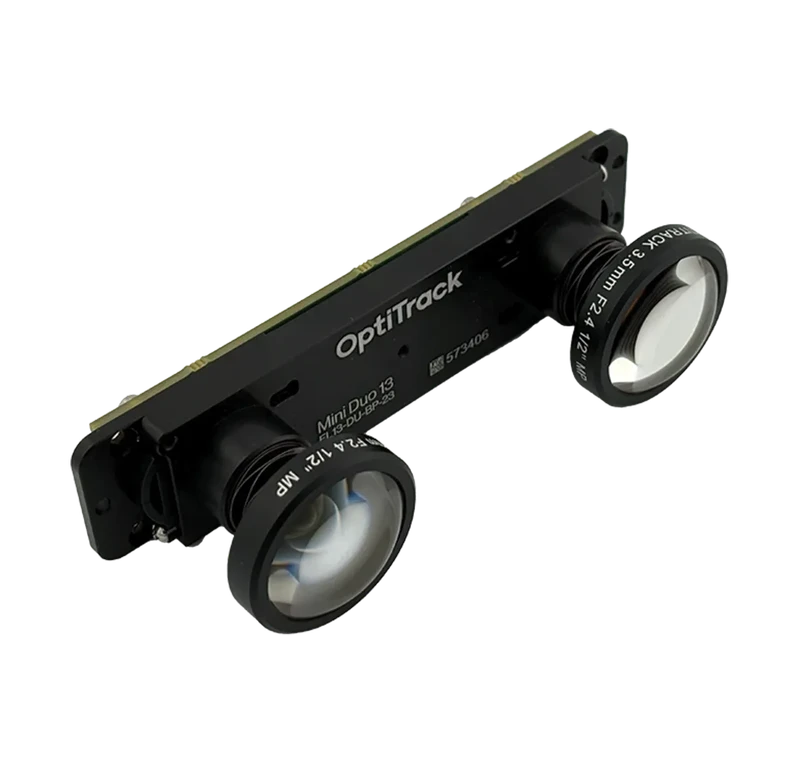
Compact, lightweight dual-camera tracking system. Optimized for integration in confined spaces and wearable applications
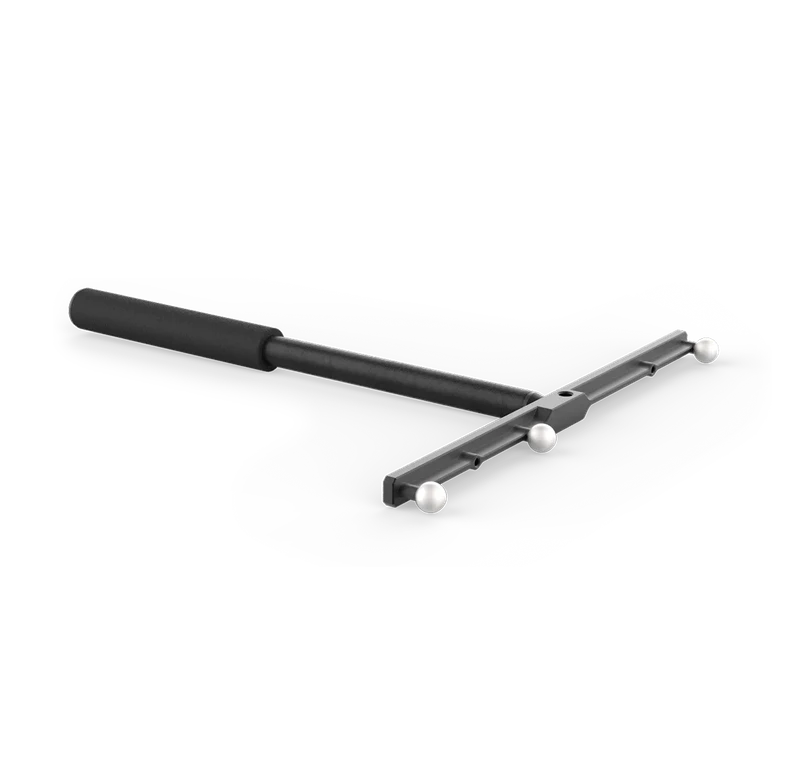
The Calibration Squares and Wands were designed for flexibility and accuracy during system calibration.
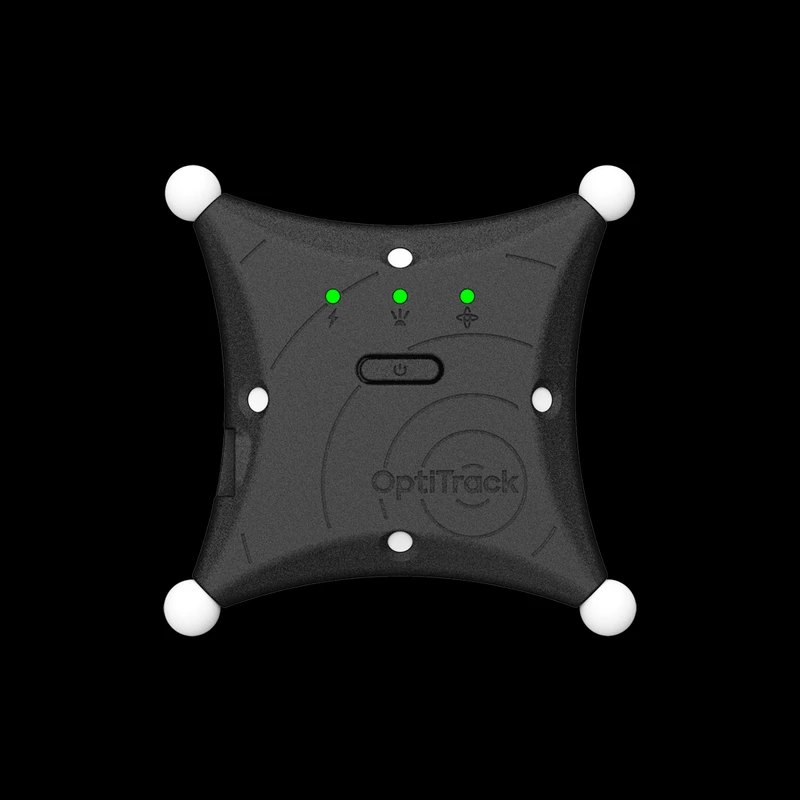
ActiveIO is OptiTrack’s line of active tracking hardware, built for unmatched scalability and resilience.
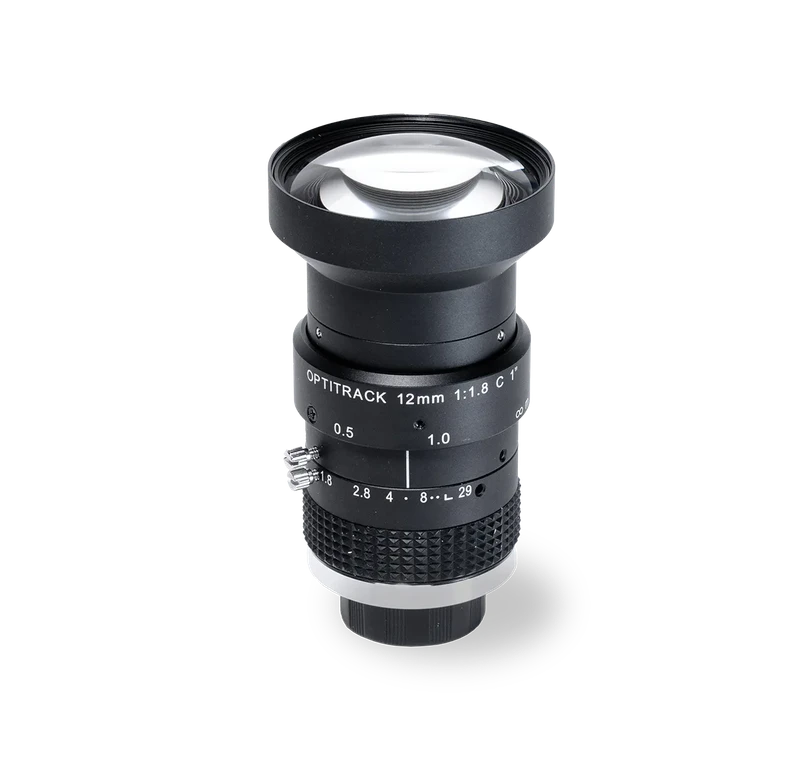
S-Mount, C-Mount and M42 lenses offering the best Field of View for your motion tracking application
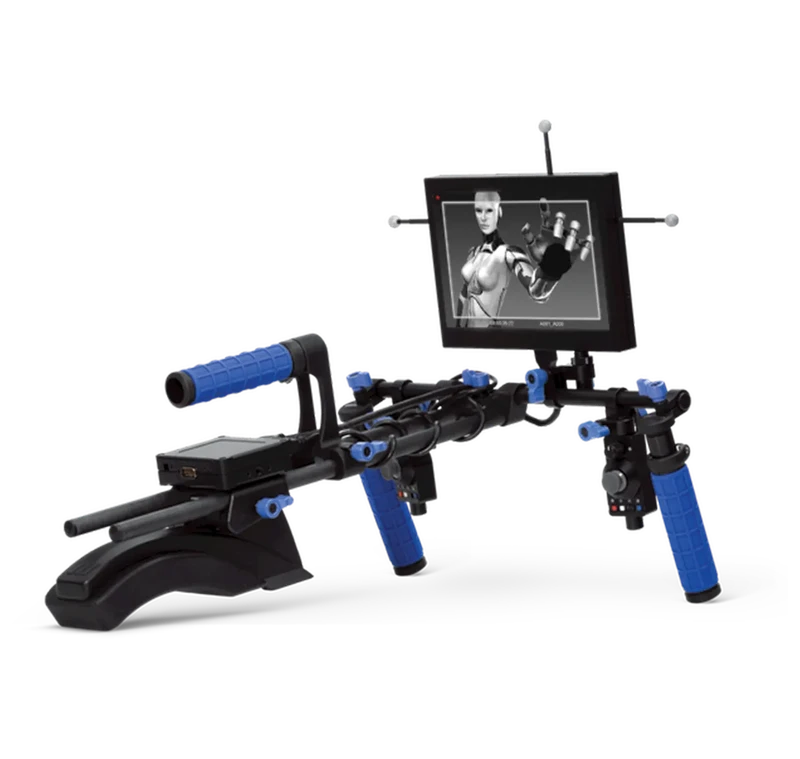
A professional virtual camera system that replicates the organic cinematographer's experience with exceptional fidelity.
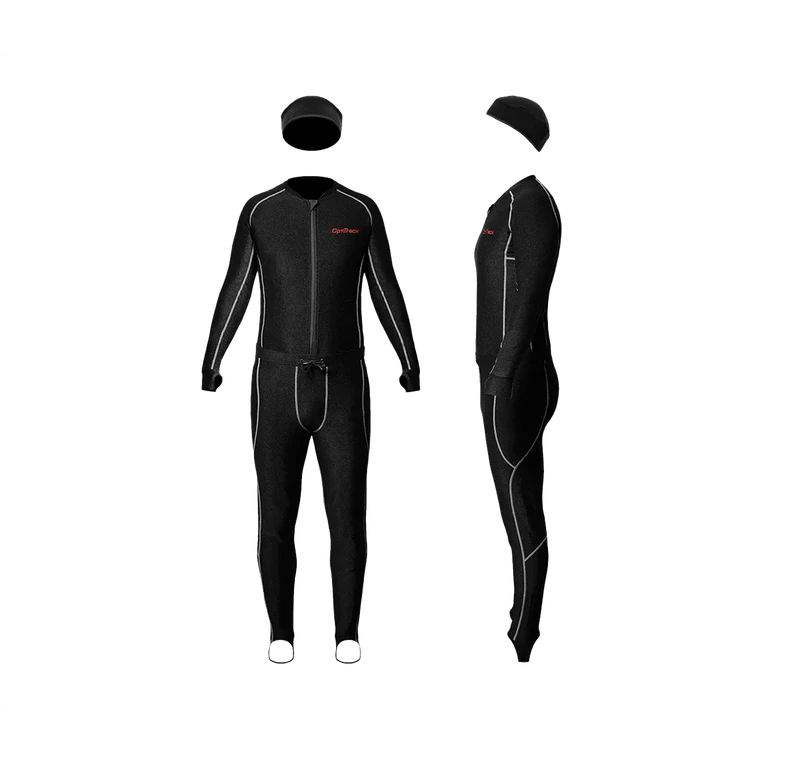
Velcro-friendly wear in different sizes where X-base markers adhere extremely well making them nearly impossible to knock off during performance
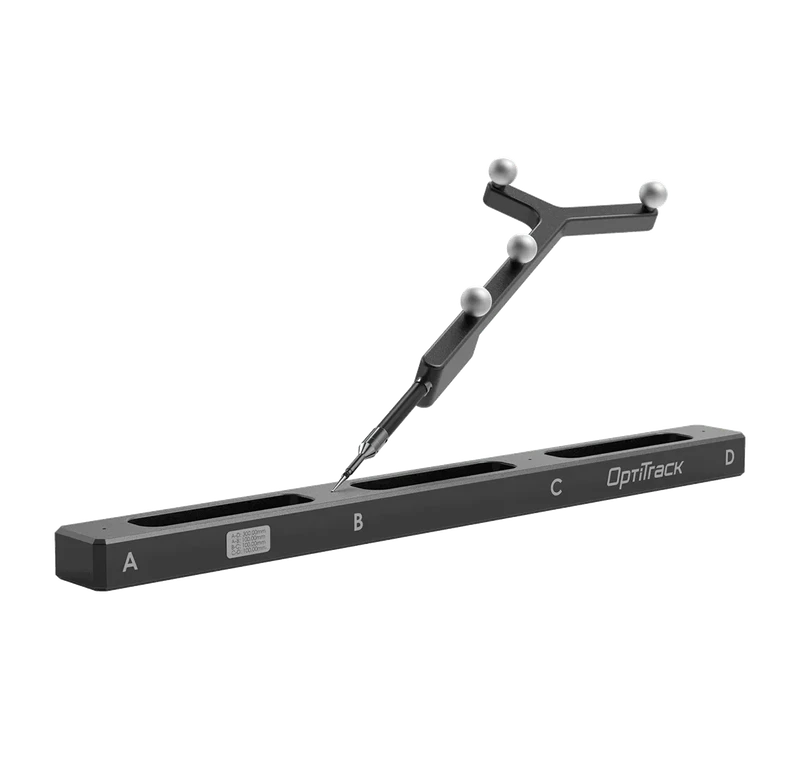
The Digitizing Probe is useful for 3D digitization of real world objects, identifying virtual points as well as anatomical landmarks.
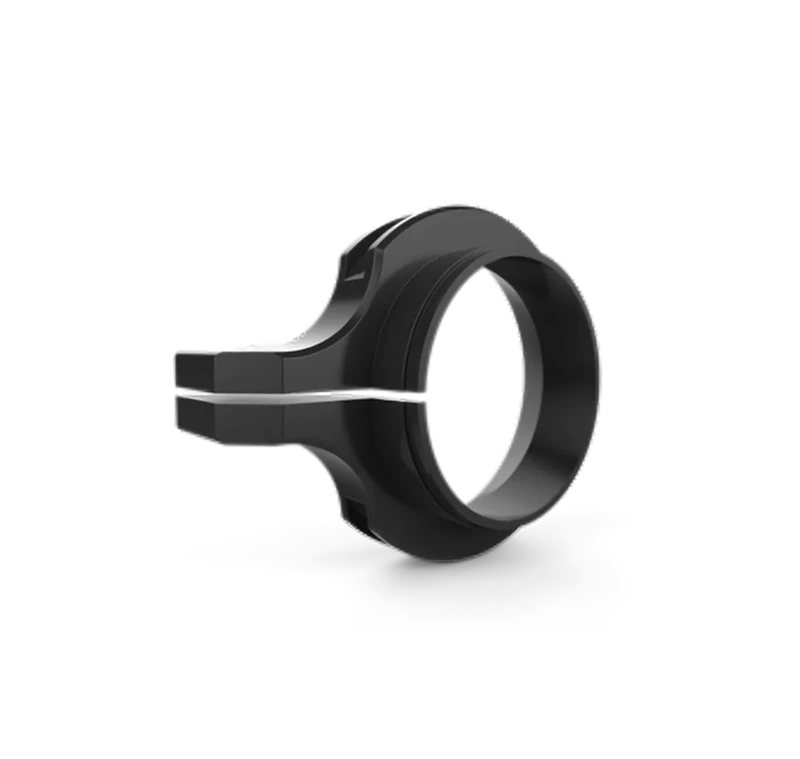
Filter Switchers, vStrobes, Focus Tools and other accessories for OptiTrack cameras.
Specifications and other information are subject to change without notice. All brand and product names are trademarks or registered trademarks of their respective holders. The information on this webpage is provided by the respective named manufacturer and is for general information purposes. These data constitute a concrete indication of properties and condition only if they are expressly indicated by EST or have been agreed upon as a condition in writing.